Here’s a scary fact: someone can have a heart condition that puts them at risk of sudden cardiac death, pass a normal ECG, and walk out of a doctor’s office with a clean bill of health. That’s Brugada Syndrome in a nutshell, and it’s exactly why this condition gets missed more than almost any other heart rhythm disorder out there. Our foundation exists because of this condition — and because we believe no family should have to learn about it the way ours did.
What Brugada Syndrome Actually Is
Brugada Syndrome is a genetic heart condition that messes with the electrical signals controlling your heartbeat [1]. Your heart runs on tiny electrical currents that tell it when to squeeze and when to rest. In someone with Brugada Syndrome, a mutation changes how sodium moves in and out of heart cells, and that disruption can trigger a dangerously fast, chaotic heart rhythm called ventricular arrhythmia [1].
The tricky part is that a lot of people with this condition feel completely fine most of the time. Their heart works normally, they exercise, they live their lives. Then, sometimes triggered by fever, certain medications, or heavy drinking, the electrical pattern shifts and the risk of a dangerous arrhythmia spikes [1]. It’s a condition that hides in plain sight, and that’s the whole problem.
Doctors diagnose Brugada Syndrome by looking for a specific ECG pattern called the Type 1 Brugada pattern [1]. But here’s the catch: that pattern doesn’t always show up on a resting ECG. It can come and go, which means a routine test can miss it entirely unless a doctor knows to look harder, sometimes using a fever challenge or specific drug test to “unmask” the pattern.
The Genetic Root of the Problem
Most cases trace back to a gene called SCN5A, which gives instructions for building a sodium channel in heart cells [2]. When this gene mutates, the sodium channel doesn’t work the way it should, and that’s what sets the stage for the abnormal heart rhythms tied to Brugada Syndrome [2] [3].
Genetic testing has come a long way in recent years, and researchers keep refining how they use genetic data to figure out who’s actually at risk versus who just carries a variant with no real danger attached [4] [5]. That distinction matters a lot. Not every genetic variant linked to Brugada Syndrome carries the same risk, and sorting out which mutations are dangerous and which are harmless is an ongoing area of study [3] [6].
This is where families get stuck. If one relative gets diagnosed, it opens up a hard question for everyone else in the family: should they get tested too? A positive genetic test doesn’t always mean a person will ever have symptoms, and that uncertainty makes decisions about screening, monitoring, and treatment genuinely complicated for families trying to do the right thing.
Why Doctors Miss It So Often
Brugada Syndrome sits in an uncomfortable spot in medicine. It’s rare enough that a lot of general practitioners rarely think to look for it, but serious enough that missing it can be fatal. The Type 1 ECG pattern, the main diagnostic clue, isn’t always present. It can appear and disappear depending on body temperature, certain drugs, or even just the day of the test [1].
That means a person can have a completely normal-looking heart test on one visit and a clearly abnormal one on another. If a doctor isn’t specifically trained to recognize Brugada Syndrome or doesn’t have a reason to suspect it (like a family history of sudden cardiac death or an unexplained fainting spell), the diagnosis can slip right through.
Researchers have spent a lot of effort building better risk-prediction tools to catch cases earlier and more reliably, including scoring systems that combine ECG findings, symptoms, and family history to estimate someone’s risk level [7]. These tools are getting more sophisticated, but they’re still evolving, and there’s ongoing debate in the cardiology field about which risk markers actually matter most [4] [7].
What Families Should Know
- A normal resting ECG doesn’t rule out Brugada Syndrome, since the telltale pattern can come and go [1].
- Family history of unexplained sudden death at a young age is one of the biggest red flags doctors look for.
- Fever, certain medications, and heavy alcohol use can all unmask or worsen the abnormal heart rhythm pattern [1].
- Genetic testing can identify SCN5A mutations, but not every mutation carries the same level of risk [3] [6].
Who’s Actually at Risk
Brugada Syndrome is inherited, which means it runs in families [2]. If a parent carries the gene mutation, there’s a real chance their children carry it too. That’s why genetic counseling and testing for close relatives of a diagnosed patient is such a critical piece of the puzzle, not just a formality.
The condition is also known for showing up in people who seem perfectly healthy. There’s no obvious warning sign like chest pain or shortness of breath that tips someone off. Sometimes the first “symptom” is a fainting episode. In the worst cases, the first symptom is sudden cardiac arrest, which is a brutal way for a family to learn what’s been happening inside a loved one’s heart all along.
This is exactly why the condition gets tied so closely to sudden cardiac death in younger, seemingly healthy people. It doesn’t discriminate by fitness level or lifestyle. A mutation in a single gene can sit quietly for years, and the first sign of trouble can be the last one.
Why We Share This
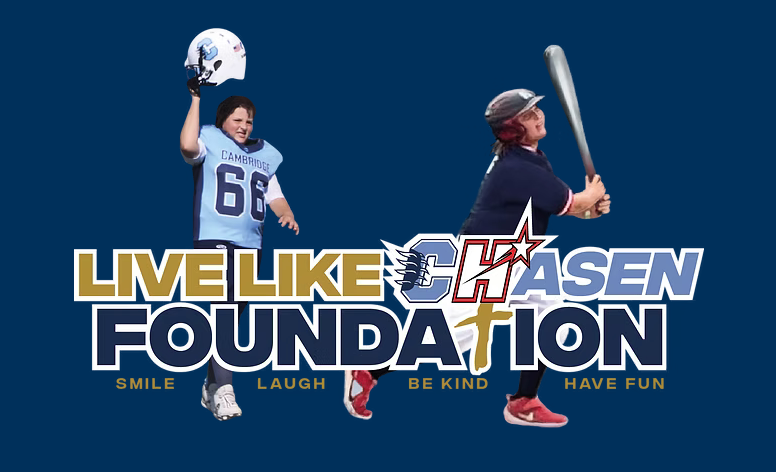
Chasen’s story is why this page exists
Chasen Petcovic (#66) appeared healthy his whole life — hours before his passing, he was playing first base and pitching for his baseball team. Only through genetic testing after his death did his family learn he had Brugada Syndrome. That knowledge, and an AED at home, later saved his brother Caden’s life. Awareness works. That’s our mission.
How Brugada Syndrome Gets Treated
There’s no cure for Brugada Syndrome, since it’s baked into a person’s genetic code. But there are real ways to manage the risk. For people considered high-risk, an implantable cardioverter-defibrillator, or ICD, is often the go-to option [8]. This small device gets placed under the skin and monitors heart rhythm constantly. If it detects a dangerous arrhythmia, it delivers a shock to reset the heart back into a normal rhythm.
Treatment approaches have changed over time as researchers learn more about which patients truly need an ICD and which can be managed with less invasive monitoring [8]. That’s an important shift, because an ICD is a major medical device with its own risks and lifestyle adjustments. It’s not something anyone wants to implant unnecessarily, but it’s also not something you want to skip if the risk is real.
Beyond ICDs, doctors also focus on avoiding known triggers. That means managing fevers aggressively, being careful with certain medications that can worsen the condition, and cutting back on heavy alcohol use. For some patients, medication can help manage arrhythmia risk, though the specifics depend heavily on individual risk factors and how the condition presents.
Living With Brugada Syndrome: The Family Side
A diagnosis doesn’t just affect one person. It ripples through an entire family. Once someone tests positive, siblings, children, and parents often face the question of whether to get tested themselves. That’s an emotionally loaded decision, and it deserves real support, not just a pamphlet handed over during a rushed appointment.
Families dealing with this condition often describe the uncertainty as the hardest part. Knowing you carry a mutation doesn’t tell you exactly when or if you’ll ever have a dangerous event. That gray area is uncomfortable, and it’s one of the reasons patient support networks and foundations focused on inherited arrhythmias matter so much. They fill a gap that a ten-minute clinic visit simply can’t.
If there’s one thing worth repeating here, it’s this: don’t wait for a scare to start the conversation. If sudden cardiac death runs in your family, especially in someone under 40 with no clear explanation, that’s worth raising with a cardiologist directly, ideally one who has experience with inherited arrhythmia syndromes.
Frequently Asked Questions
Can Brugada Syndrome be detected on a routine ECG?
Sometimes, but not always. The telltale Type 1 pattern can come and go, which means a normal ECG doesn’t fully rule out the condition [1]. Doctors sometimes use fever or specific drug challenges to reveal the pattern when they suspect it.
Is Brugada Syndrome always inherited?
Most cases are linked to inherited genetic mutations, commonly in the SCN5A gene [2] [3]. That’s why genetic testing for close relatives of a diagnosed patient is such a key step after a diagnosis.
Does everyone with Brugada Syndrome need an ICD?
No. ICDs are typically reserved for patients considered high-risk, and treatment decisions have shifted over time as doctors refine who actually benefits most from the device [8]. It’s a conversation to have carefully with an electrophysiologist, not a one-size-fits-all answer.
What triggers a dangerous event in someone with Brugada Syndrome?
Fever, certain medications, and heavy alcohol use are known triggers that can unmask or worsen the abnormal rhythm pattern [1]. Managing these triggers is a core part of living safely with the condition.
Where to Go From Here
Brugada Syndrome is one of those conditions where the gap between what’s knowable and what’s known is genuinely dangerous. The science keeps advancing, risk-prediction tools keep getting sharper, and genetic testing keeps getting more precise [4] [7]. But none of that helps if a family doesn’t know to ask the right questions in the first place.
If sudden cardiac death has touched your family, or if you’ve been told you carry an SCN5A mutation, don’t sit on that information. Talk to a cardiologist who specializes in inherited arrhythmias, ask about genetic counseling for your relatives, and push for clear answers about your specific risk level. This isn’t a condition to research alone at 2 a.m. It’s one to bring straight to the people trained to help you make sense of it.
Sources
- Brugada Syndrome — StatPearls — NCBI Bookshelf (ncbi.nlm.nih.gov)
- Brugada Syndrome — GeneReviews® — NCBI Bookshelf (ncbi.nlm.nih.gov)
- SCN5A gene variants and arrhythmic risk in Brugada syndrome: An updated systematic review and meta-analysis (heartrhythmjournal.com)
- Frontiers | Current perspectives on risk prediction and genetic basis of Brugada syndrome (frontiersin.org)
- Brugada Syndrome: an exemplar for the genomic basis of sudden death | European Journal of Human Genetics (nature.com)
- SCN5A gene variants and arrhythmic risk in Brugada syndrome: An updated systematic review and meta-analysis (sads.org)
- Frontiers | Brugada syndrome risk scores: what we’ve learned and what’s next (frontiersin.org)
- Treatment of Brugada Syndrome in 2023: Know Where You Come From to Know Where You Are Going (ahajournals.org)
Researched from 10 vetted sources · For education only — not a substitute for medical advice.